

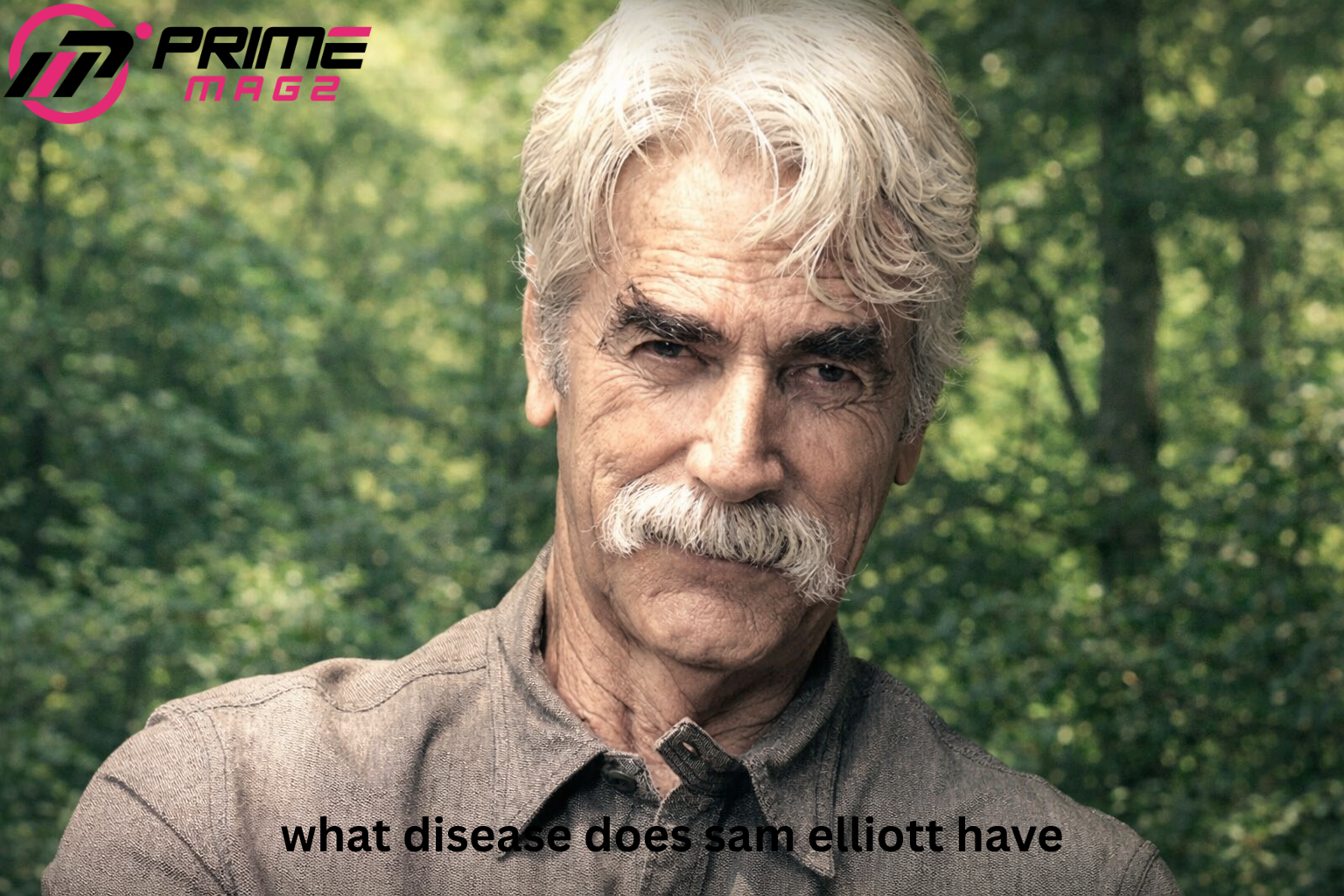
Many fans often ask, “What disease does Sam Elliott have?” The question usually comes from concern, curiosity, or online rumors rather than confirmed medical reports. Sam Elliott, known for his deep voice, iconic mustache, and strong screen presence, has been active in Hollywood for decades. As he has aged naturally in the public eye, speculation about his health has grown.
This article is written to help beginners understand the truth behind these rumors in a simple, respectful, and fact-based way. We will explore what is publicly known, what is not confirmed, and how to think critically about celebrity health discussions—especially in today’s digital age.
Understanding the Topic: What Disease Does Sam Elliott Have?
Before diving into details, it’s important to clarify one key point: Sam Elliott has not publicly disclosed having any serious or specific disease. There is no verified medical diagnosis shared by him or confirmed by credible sources. Most discussions around his health are based on observation, speculation, and misunderstanding.
This topic matters because misinformation spreads quickly online, and beginners often struggle to separate facts from rumors. Learning how to approach such questions builds media literacy and critical thinking skills.
Core Principles Behind the Question
1. Public Figures and Health Privacy
Celebrities like Sam Elliott are entitled to medical privacy just like anyone else. Unless they choose to share health details themselves, any claims about disease remain speculation. Understanding this principle helps readers avoid spreading unverified information.
2. Aging vs. Illness
Many people confuse natural aging signs—such as a slower walk, deeper voice, or facial changes—with illness. Sam Elliott is in his late 70s, and physical changes are a normal part of aging, not necessarily symptoms of disease.
3. The Voice Misconception
One common reason people ask “what disease does Sam Elliott have” is his gravelly voice. However, his voice is a natural trait, refined by years of acting and voice work—not a confirmed medical condition.
4. Internet Rumors and Clickbait
Online platforms often exaggerate celebrity health issues for attention. Headlines can be misleading, causing readers to assume illness where none exists. Recognizing clickbait is a key digital skill.
5. Verified Sources Matter
Reliable information comes from direct interviews, official statements, or trusted medical journalism. Forums, social media posts, and random blogs should not be treated as facts.
Beginner Tips for Understanding Celebrity Health Topics
When exploring questions like what disease does Sam Elliott have, beginners should focus on careful reading and fact-checking rather than assumptions.
Start by checking whether the celebrity has personally spoken about their health. If not, treat all claims cautiously. Observe language like “reportedly” or “fans believe,” which usually signals speculation.
Here is a simple table to help beginners practice safe research habits:
| Beginner Activity | What to Do | What to Avoid |
|---|---|---|
| Reading news | Use trusted sources | Clickbait headlines |
| Watching videos | Check source credibility | Rumor-based content |
| Sharing info | Verify first | Emotional assumptions |
Developing these habits protects you from misinformation and builds confidence in online research.
Advanced Tips: Going Beyond Rumors
For those who want deeper understanding, learning how media narratives are formed is essential. Entertainment journalism often blends facts with opinion. Advanced readers should analyze why certain rumors trend and who benefits from them.
Studying how aging is portrayed in Hollywood also helps. Older actors are frequently labeled as “sick” simply because they don’t match youthful standards. Understanding ageism in media adds valuable context.
Another advanced step is learning basic health literacy—knowing that symptoms alone do not equal diagnosis. This skill applies far beyond celebrity news.
Common Challenges and Practical Solutions
One major challenge beginners face is emotional attachment to celebrities. When fans admire someone like Sam Elliott, concern can turn into panic. The solution is to pause and verify information logically.
Another issue is overtrusting search results. Just because many sites repeat the same claim does not make it true. Look for original sources instead of copied content.
Lastly, medical terms can be confusing. If an article mentions a disease without medical explanation or evidence, that’s a red flag. Reliable health content explains clearly and cites experts.
How to Apply These Tips Today
You can start applying these lessons immediately with a simple daily plan. First, limit your news intake to a few trusted platforms. Second, practice reading full articles instead of only headlines. Third, question emotionally charged claims and ask, “Is this confirmed?”
Make it a habit to cross-check information before sharing it. This small step protects both your credibility and others from misinformation.
Why This Topic Matters in 2026 and Beyond
In the current digital era, AI-generated content, viral rumors, and fast news cycles make misinformation more dangerous than ever. Questions like what disease does Sam Elliott have highlight how easily false narratives can spread.
Learning to analyze such topics builds future-ready skills—critical thinking, digital literacy, and ethical content sharing. These skills will remain essential as technology and media continue to evolve.
Conclusion
So, what disease does Sam Elliott have? The honest answer is: none that are publicly confirmed. Most claims are rooted in speculation, misunderstanding, and the natural effects of aging. By learning how to approach such topics carefully, beginners can avoid misinformation and become more confident digital readers.
Instead of focusing on rumors, it’s better to appreciate Sam Elliott’s long, successful career and respect his privacy. Use this topic as a learning opportunity—to build smarter research habits, stronger critical thinking skills, and a healthier relationship with online information.
FAQ Section
Q1: Does Sam Elliott have a serious disease?
No, there is no confirmed public information that Sam Elliott has any serious disease.
Q2: Why do people think Sam Elliott is ill?
Mostly due to aging, his deep voice, and online rumors—not medical facts.
Q3: Has Sam Elliott ever talked about his health?
He has not publicly disclosed any major health condition.
Q4: Is his voice caused by a medical problem?
No verified medical condition has been linked to his voice.
Q5: Should we trust online claims about celebrity diseases?
Only if they come from verified, credible sources.
Read Also : 5162889758 Explained: A Simple Beginner’s Guide
