

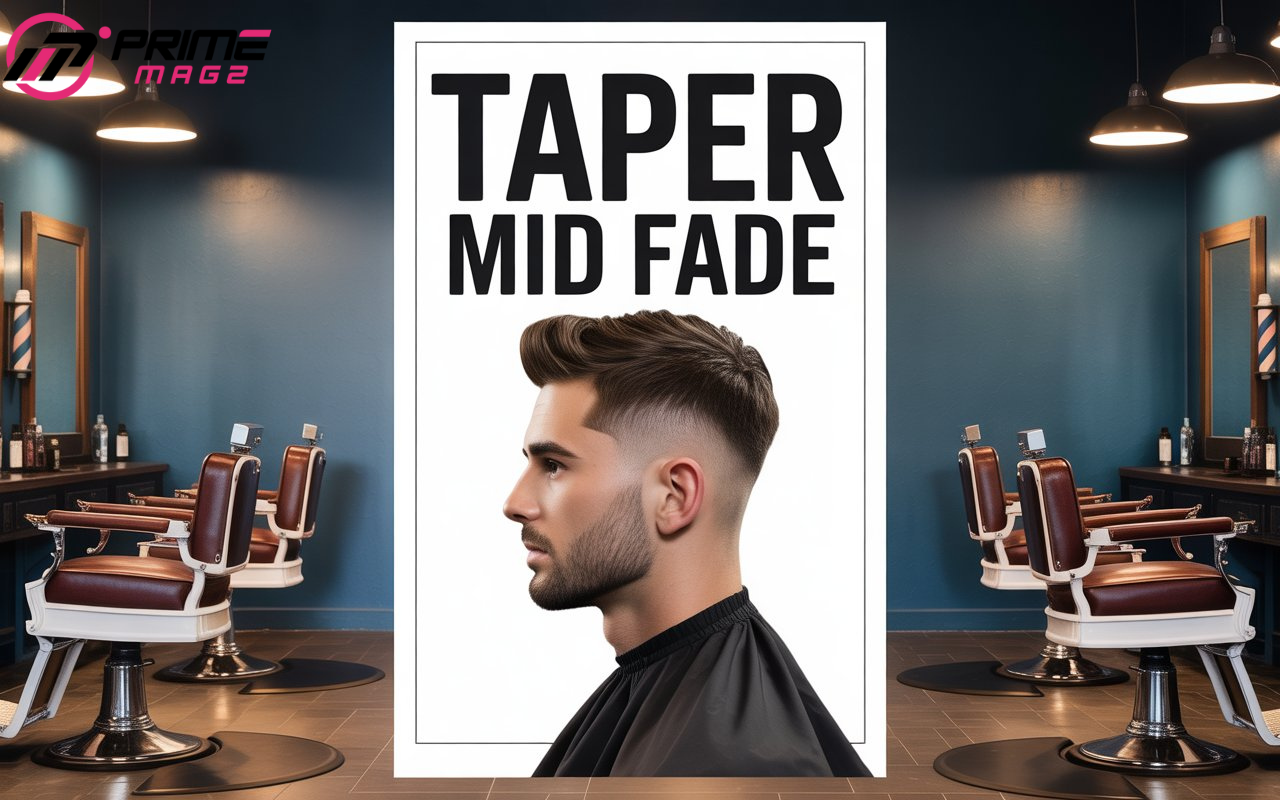
When it comes to men’s hairstyles, the taper mid fade has become one of the most popular and versatile looks. Whether you’re aiming for a clean professional appearance, a stylish everyday look, or a sharp transformation, understanding this haircut is essential for anyone exploring modern grooming. This article will break down everything you need to know about the taper mid fade—from its core principles to beginner-friendly tips, advanced guidance, and practical application so you can confidently achieve the style you want.
Introduction
The taper mid fade is a haircut that gradually reduces hair length from the top down to the sides and back, creating a smooth transition that looks polished and professional. Unlike high fades, which start near the crown, the mid fade begins around the temples, offering a balanced and natural look suitable for most face shapes.
For beginners, learning about taper mid fades matters because it helps you communicate clearly with your barber, maintain your style at home, and explore variations without mistakes. Whether you’re new to fades or looking to perfect your grooming routine, mastering this style can boost confidence and enhance your overall appearance.
Core Principles of a Taper Mid Fade
Understanding the fundamentals of a taper mid fade is crucial. Here are the key principles to keep in mind:
1. Gradual Transition
A taper mid fade relies on a smooth transition from longer hair on top to shorter sides. This gradient effect should be subtle and even. The goal is a polished blend, not a harsh line.
2. Hair Length Management
The top hair can be any length, but sides and back taper gradually to create a clean appearance. Using clippers with varying guards ensures precision and consistency.
3. Starting Point Matters
The fade begins at the mid-section of the head, typically around the temples. This placement balances the face shape and allows for flexibility in styling the top.
4. Clean Edges and Lines
A crisp outline around the hairline and neckline enhances the fade. Precision is key, especially for beginners learning how to define edges without over-cutting.
5. Face Shape Consideration
Adjusting the taper to suit your face shape ensures the fade complements your features. For instance, a round face benefits from slightly higher fades, while oval faces can handle softer transitions.
Beginner Tips for Taper Mid Fade
For those just starting out, here are actionable tips to achieve a professional-looking taper mid fade.
- Communicate with Your Barber: Show a picture and describe the fade’s start point. Clear communication prevents mistakes.
- Start Small: If cutting at home, begin with longer guards and gradually shorten. You can always trim more but can’t add hair back.
- Blend Carefully: Use a comb and clipper-over-comb technique to smooth transitions. Avoid skipping guard sizes to prevent harsh lines.
- Regular Maintenance: Fades look best when maintained every 2–4 weeks. This keeps edges clean and the transition sharp.
- Experiment with Top Styles: A taper mid fade works well with pompadours, quiffs, textured crops, and short spikes. Try what suits your face and lifestyle.
| Beginner-Friendly Ideas | Description |
|---|---|
| Low Maintenance Fade | Shorter top with natural texture for easy upkeep. |
| Classic Comb Over | Top longer for comb styling, sides neatly tapered. |
| Short Spiky Look | Use styling gel for a dynamic, youthful effect. |
| Textured Crop | Adds volume and texture without complex styling. |
Advanced Tips for Career Growth or Next Steps
Once you’re comfortable with the basics, you can take your taper mid fade to the next level:
- Learn Barbering Techniques: Understanding guard sizes, angles, and blending methods allows you to perform fades confidently at home or professionally.
- Experiment with Fade Variations: Low fades, high fades, skin fades, and drop fades can complement different outfits, occasions, and personal styles.
- Invest in Quality Tools: Clippers with multiple guards, a precise trimmer, and styling products make a significant difference in the final look.
- Personal Branding: A well-groomed fade can enhance professional presence, particularly in careers like business, creative industries, or client-facing roles.
- Continuous Learning: Watch tutorials, study barbering trends, and practice on mannequins to refine precision and creativity.
Common Challenges and Solutions
Even beginners can face obstacles while mastering the taper mid fade. Here’s how to tackle them:
- Uneven Fade: Happens if guard sizes are skipped or hands are unsteady. Solution: Blend gradually, use mirrors, and double-check symmetry.
- Harsh Lines: Can make the fade look unnatural. Solution: Use blending shears or clipper-over-comb to soften transitions.
- Over-Cutting Top: Beginners sometimes cut too much off the top. Solution: Start longer and trim incrementally.
- Maintaining Shape at Home: Without professional tools, fades can lose shape quickly. Solution: Schedule touch-ups every 2–3 weeks or learn simple maintenance trims.
How to Apply These Tips Today
Here’s a simple plan to integrate taper mid fade techniques into your routine:
- Assess Your Face Shape: Identify the fade starting point that suits you.
- Choose Your Fade Style: Decide between classic mid fade, textured crop, or pompadour.
- Communicate Clearly with Barber: Bring a reference photo for guidance.
- Practice Maintenance: Learn to clean edges and blend sides every 2–3 weeks.
- Experiment with Styling Products: Use pomade, wax, or matte clay to define the top hair.
Daily Habits for Fade Excellence:
- Wash and condition hair regularly.
- Brush or comb top hair daily to prevent tangles.
- Moisturize scalp if dry to maintain healthy hair and fade shape.
- Schedule regular trims to keep fade crisp.
Why These Tips Matter in 2026 and Beyond
In today’s fast-paced grooming culture, appearance is a subtle but powerful tool for personal and professional growth. A taper mid fade is more than just a haircut—it’s a statement of confidence, precision, and attention to detail.
With evolving styles and trends, knowing how to achieve and maintain a fade ensures you stay modern and versatile. Whether in a professional office, creative industry, or casual social setting, a well-executed taper mid fade projects style, discipline, and self-assurance. As men’s grooming continues to emphasize individuality and aesthetics, mastering fades is a timeless skill that will remain relevant well into the future.
Conclusion
Mastering the taper mid fade is more than a grooming choice—it’s an investment in confidence, style, and personal branding. With the right principles, beginner tips, advanced guidance, and practical habits, anyone can achieve a professional-looking fade that complements their face shape and lifestyle.
Start small, practice consistently, and don’t be afraid to experiment. Each fade you create improves your skill and boosts your self-assurance. By incorporating these tips into your routine today, you’re not just learning a haircut—you’re shaping a confident and polished version of yourself.
Take action, schedule your next fade, and embrace the power of a clean, versatile style that will stay relevant in 2026 and beyond.
FAQ About Taper Mid Fade
Q1: How often should I get a taper mid fade?
A1: Every 2–4 weeks to maintain a sharp, clean look.
Q2: Can I do a taper mid fade at home?
A2: Yes, with the right clippers, guards, and practice, but beginners may prefer a barber first.
Q3: What hair types work best for a taper mid fade?
A3: Most hair types work, including straight, wavy, and curly hair. Adjust blending technique based on texture.
Q4: Can women get taper mid fades?
A4: Absolutely. While traditionally male, taper fades are unisex and can create edgy or professional looks for women.
Q5: Which styling products are ideal for a taper mid fade?
A5: Pomades, clays, waxes, or matte creams depending on desired texture and hold.
Read Also : Your Topics | Multiple Stories: A Beginner’s Guide to Exploring Ideas and Creating Impact
