
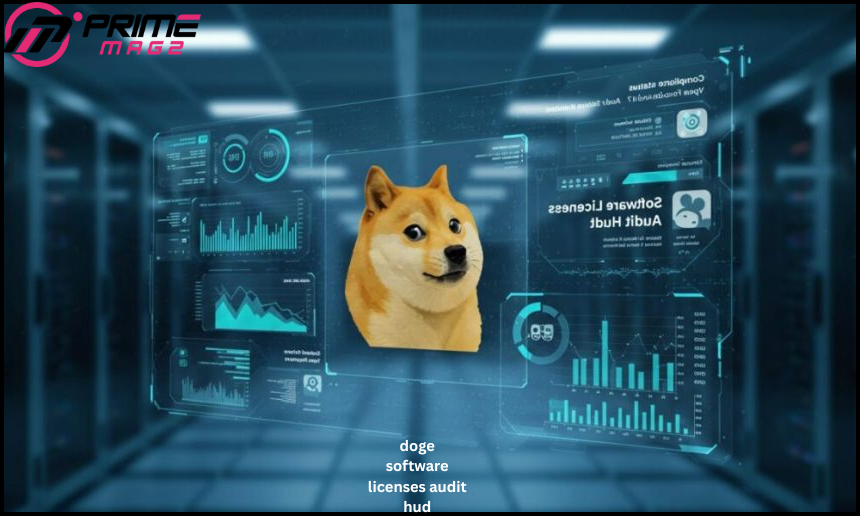
The doge software licenses audit hud has become a critical topic for federal agencies, contractors, compliance officers, and IT governance professionals who operate within the U.S. Department of Housing and Urban Development ecosystem. As HUD continues its push toward transparency, cost efficiency, and cybersecurity resilience, software license audits tied to DOGE-style oversight frameworks are no longer optional technical exercises. They represent a strategic mechanism for ensuring lawful procurement, responsible spending, and defensible digital infrastructure across federally funded housing programs.
Understanding the Role of doge software licenses audit hud in Federal Oversight
At its core, the doge software licenses audit hud functions as a structured review of how software assets are acquired, deployed, and maintained within HUD-managed or HUD-funded environments. These audits evaluate whether licenses align with contractual terms, federal acquisition regulations, and cybersecurity mandates. Unlike routine internal checks, this process integrates fiscal accountability with operational integrity, ensuring taxpayer-funded software investments are justified, secure, and fully compliant.
The growing reliance on cloud platforms, analytics tools, and case management systems has increased HUD’s exposure to licensing risk. An audit framework rooted in DOGE-style efficiency principles allows oversight bodies to identify redundancies, unauthorized usage, and financial leakage while reinforcing governance standards that scale across programs and vendors.
Why Software License Audits Matter for HUD Programs
HUD administers complex programs involving public housing authorities, private contractors, and nonprofit partners, each using diverse software stacks. Without a unified audit lens, licensing sprawl becomes inevitable. The doge software licenses audit hud addresses this challenge by establishing a centralized accountability model that tracks entitlements, usage metrics, and renewal obligations.
Beyond cost control, these audits reduce legal exposure. Noncompliant licensing can trigger vendor penalties, contract disputes, and federal findings that undermine program credibility. By proactively validating compliance, HUD and its partners protect institutional trust while demonstrating responsible stewardship of public funds.
Compliance Frameworks Driving Audit Requirements
Federal software audits do not exist in isolation. They intersect with regulations such as the Federal Information Security Modernization Act, Federal Acquisition Regulation clauses, and Office of Management and Budget guidance. The doge software licenses audit hud aligns these mandates into a cohesive review structure that evaluates both financial and security dimensions.
This integrated approach ensures that licensed software meets approved security baselines and that procurement decisions reflect actual operational needs. It also supports audit readiness for Inspector General reviews and external federal examinations, reducing disruption and reputational risk.
Common Risks Identified During HUD Software License Audits
One of the most frequent findings during a doge software licenses audit hud review is over-licensing, where agencies pay for capacity far exceeding real usage. Equally problematic is under-licensing, which exposes HUD and its partners to contractual violations and financial penalties. Shadow IT, where teams deploy tools outside approved procurement channels, further complicates compliance.
Audits also uncover gaps in documentation, such as missing license agreements or unclear entitlement records. These weaknesses hinder effective asset management and weaken negotiating positions with vendors during renewals or disputes.
Financial Accountability and Cost Optimization Outcomes
While compliance is a primary driver, cost optimization is a significant secondary benefit. A well-executed doge software licenses audit hud often reveals opportunities to consolidate vendors, renegotiate enterprise agreements, or transition to more cost-effective licensing models. Savings realized through these actions can be redirected to mission-critical housing initiatives rather than administrative overhead.
Importantly, these financial gains are defensible. Audit-backed decisions provide documented justification for budget adjustments, satisfying both internal governance and external oversight expectations.
Cybersecurity Implications of Licensing Compliance
Software licenses are not merely legal instruments; they directly influence security posture. Unsupported or improperly licensed software may lack timely patches or vendor support, increasing vulnerability exposure. The doge software licenses audit hud incorporates security validation by confirming that deployed software remains within supported lifecycle windows.
This alignment between licensing and cybersecurity supports HUD’s broader zero-trust and risk management strategies. It ensures that digital tools handling sensitive housing and personal data meet both contractual and security standards.
Operational Readiness and Audit Execution Best Practices
Successful audits depend on preparation. Agencies engaging in a doge software licenses audit hud benefit from maintaining accurate asset inventories, centralized license repositories, and clear governance policies. Collaboration between IT, procurement, legal, and compliance teams is essential to present a unified and accurate operational picture.
Audits conducted as continuous processes rather than one-time events reduce disruption and foster a culture of accountability. This proactive stance also strengthens relationships with software vendors by promoting transparency and predictable compliance practices.
Vendor Management and Contractual Leverage
A less discussed advantage of the doge software licenses audit hud lies in vendor negotiations. When HUD or its partners can demonstrate precise usage data and compliance maturity, they gain leverage in pricing discussions and contract renewals. Vendors are more likely to offer favorable terms when audits confirm disciplined asset management.
This dynamic shifts software procurement from reactive purchasing to strategic portfolio management, aligning technology investments with long-term program goals.
The Future of Software Audits in HUD Governance
As federal agencies increasingly adopt automation and AI-driven tools, the scope of the doge software licenses audit hud will expand. Future audits are likely to integrate real-time monitoring, automated compliance checks, and predictive analytics to identify risks before they materialize.
This evolution reflects a broader shift toward data-driven governance, where compliance and efficiency coexist. HUD’s experience with structured license audits positions it as a model for other agencies navigating similar digital transformation challenges.
Conclusion: Why the Doge Software License Audit HUD Is Now Mission-Critical
The doge software licenses audit hud is no longer a back-office compliance task. It is a strategic instrument that safeguards public funds, strengthens cybersecurity, and enhances operational credibility across HUD programs. By embedding audit discipline into everyday governance, HUD and its partners can reduce risk, optimize costs, and demonstrate accountability to stakeholders and taxpayers alike. In an era of heightened scrutiny and rapid technological change, proactive software license audits are essential to sustaining trust and mission effectiveness.
FAQs
What is the primary purpose of a doge software licenses audit hud?
Its primary purpose is to verify that software used within HUD programs is properly licensed, compliant with federal regulations, and aligned with actual operational needs.
Who is affected by these audits?
HUD internal departments, public housing authorities, contractors, and any organization using software funded or governed under HUD programs are impacted.
How often should these audits be conducted?
Best practice favors continuous or annual reviews rather than sporadic audits to maintain compliance and reduce risk.
Do software license audits only focus on cost savings?
No, they also address legal compliance, cybersecurity readiness, and operational governance alongside financial efficiency.
Can proactive audits improve vendor relationships?
Yes, transparent and accurate compliance data strengthens negotiation positions and fosters more balanced vendor partnerships.
Read Also : carla diab net worth: wealth influence and success
